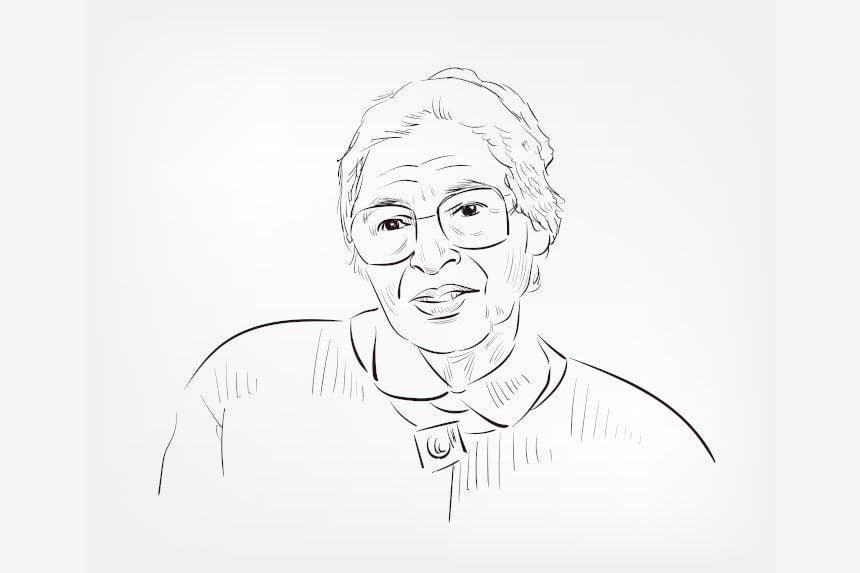
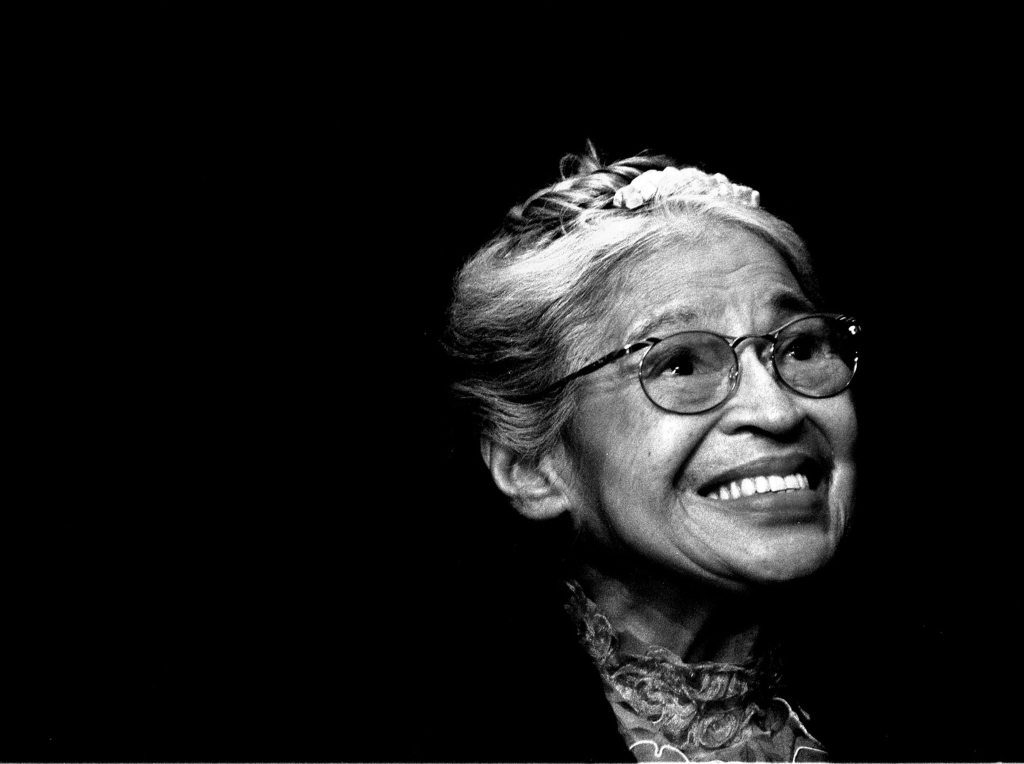
Ask most people what they know about Mrs. Rosa Parks, and they will tell you one story — a single moment that has come to stand in for an entire life.
But a life cannot be contained in a moment.
Hers was shaped by years of experience, conviction, and quiet resolve — far more complex and powerful than the version many of us were taught.
What follows is not a retelling of the familiar scene on a Montgomery bus, but a closer look at the life that surrounded it: the years before and after, and the myths that have quietly shaped how we remember her.
Who was Mrs. Rosa Parks?
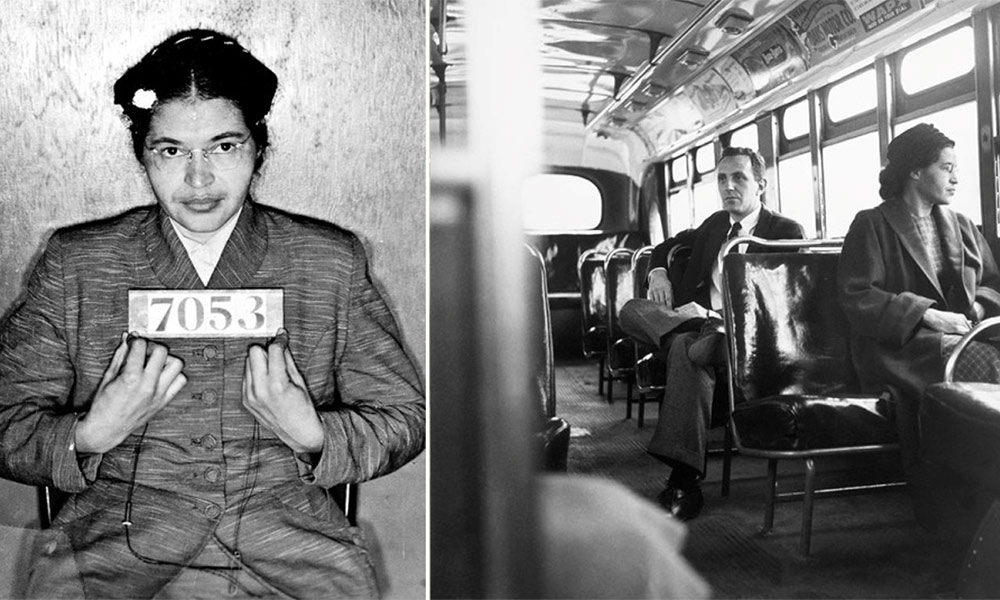
Mrs. Rosa Parks was born in Tuskegee, Alabama and grew up in Pine Level, Alabama. She’s been referred by Congress as the “first lady of civil rights” and the “mother of the freedom movement.” She is widely known for her refusal to give up her seat on a bus in Montgomery, Alabama, in 1955—and for her subsequent arrest, which helped spark the Montgomery Improvement Association (MIA) Montgomery Bus Boycott.
The boycott lasted 381 days and contributed to a U.S. Supreme Court decision declaring segregation on Alabama buses unconstitutional.
But the version of Rosa Parks most of us learned is incomplete. In the sections that follow, we’ll examine some of the myths that have shaped her public image and uncover a truth that reveals her power and intentionality.
The world Mrs. Rosa Parks resisted
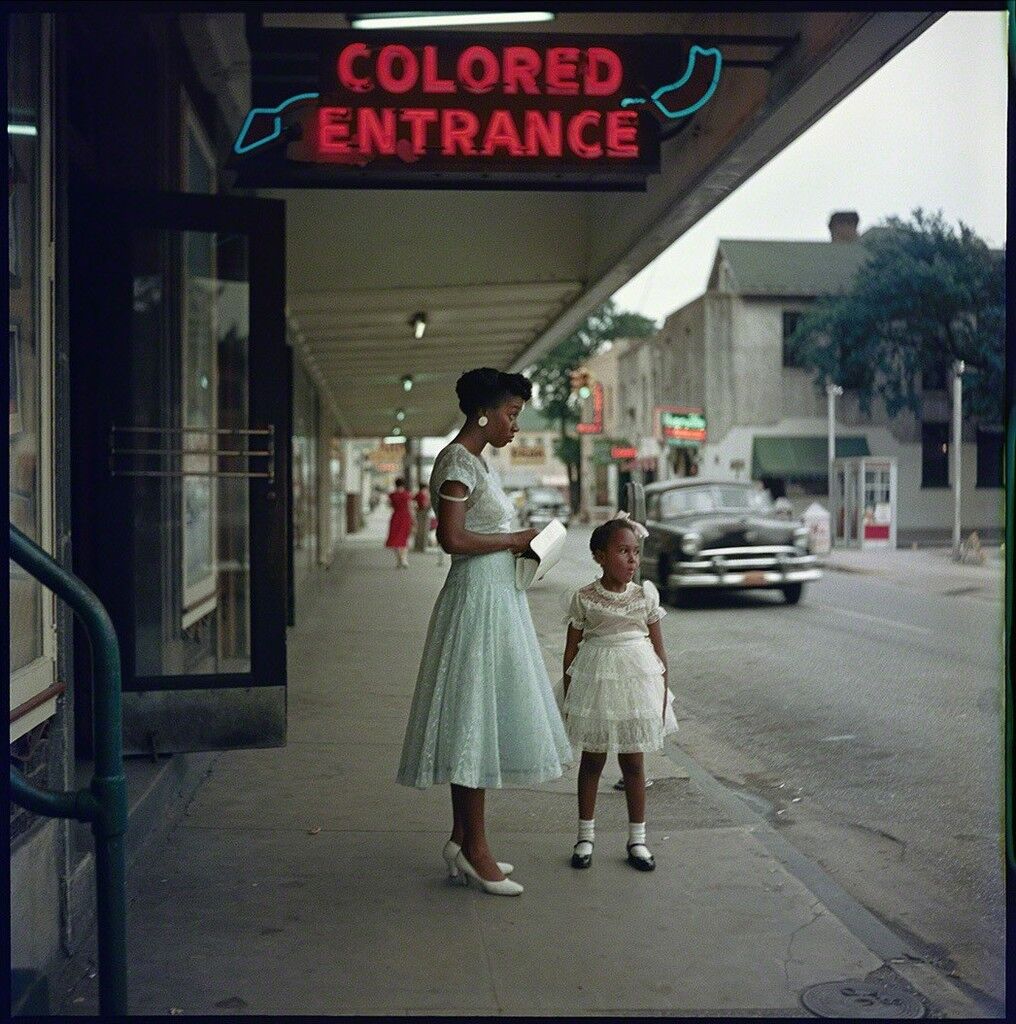
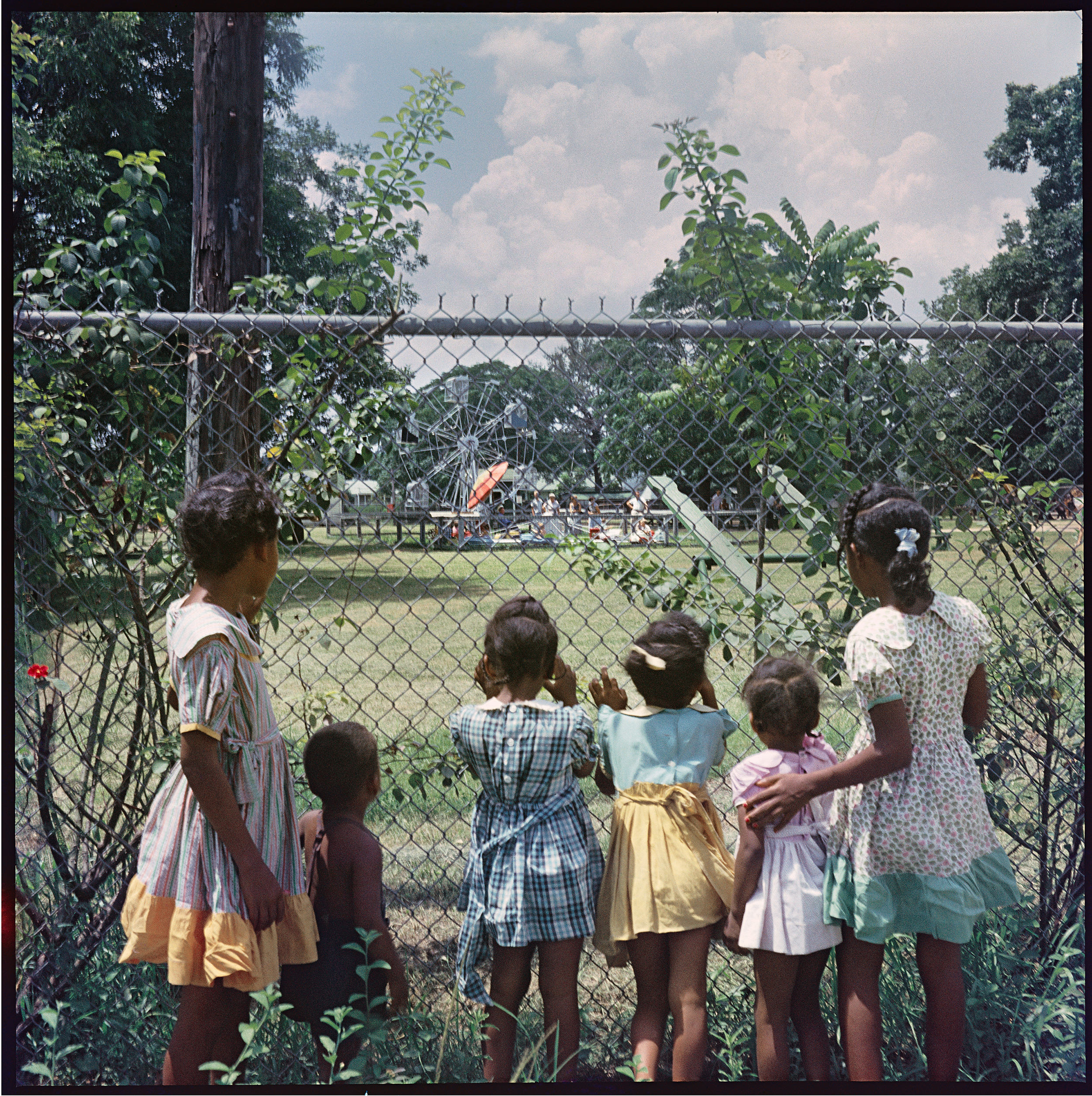
Before we dive deeper, I want to provide some context to what life was like for Mrs. Rosa Parks in the 1940’s and 1950’s.
As an adult, she lived under a system where racial segregation was law through Jim Crow. Black exclusion and segregation were enforced in nearly every part of public and private life: buses, schools, housing, jobs, and other public spaces.
White supremacy was openly organized. The Ku Klux Klan was active and visible. Law enforcement and courts largely ignored or enabled racial violence. Lynchings were made less public but were still happening—often at night, in custody, or framed as accidents, self-defense, or acts by unknown assailants. Retaliation for any type of resistance was common.
Voting rights were systematically blocked through tools like poll taxes, literacy tests, intimidation, and registration purges, leaving courts and collective action as some of the only paths to change.
Sexual violence against Black women was routine and rarely prosecuted, with police and prosecutors often refusing to act and juries rarely convicting white men accused of assault.
It was post–World War II. Black veterans returned from fighting for democracy abroad to a nation still structured by segregation and racial violence. The Double V Campaign had called for victory overseas and victory at home — a contradiction that sharpened political resolve.
The Myths around Mrs. Rosa Parks
How many of us learned about Mrs. Rosa Parks in elementary school? How many of us can recall at least one “fact” we were taught about her that we later realized was not just incomplete—but ridiculously so?
You aren’t alone. This is a very common experience.
Today, I’d like to dive into some of the bigger misconceptions surrounding Mrs. Rosa Parks—some that are still prevalent even now.
Myth #1: Mrs. Rosa Parks was just tired.
Beneath the familiar story of Rosa Parks being “just tired” sits a larger and more enduring myth — the idea of the accidental heroine. A woman who stumbled into history rather than one who shaped it.
By far, this is the version most of us remember. The one we were taught in elementary school. The one that feels almost jarring when we later learn how incomplete it was.
What were we told?
That Mrs. Parks was old. That she was tired. That she had come home from a long day’s work and simply wanted to sit. That she was frail. Weak. That her refusal was spontaneous—that she just reached physical exhaustion and history happened around her.
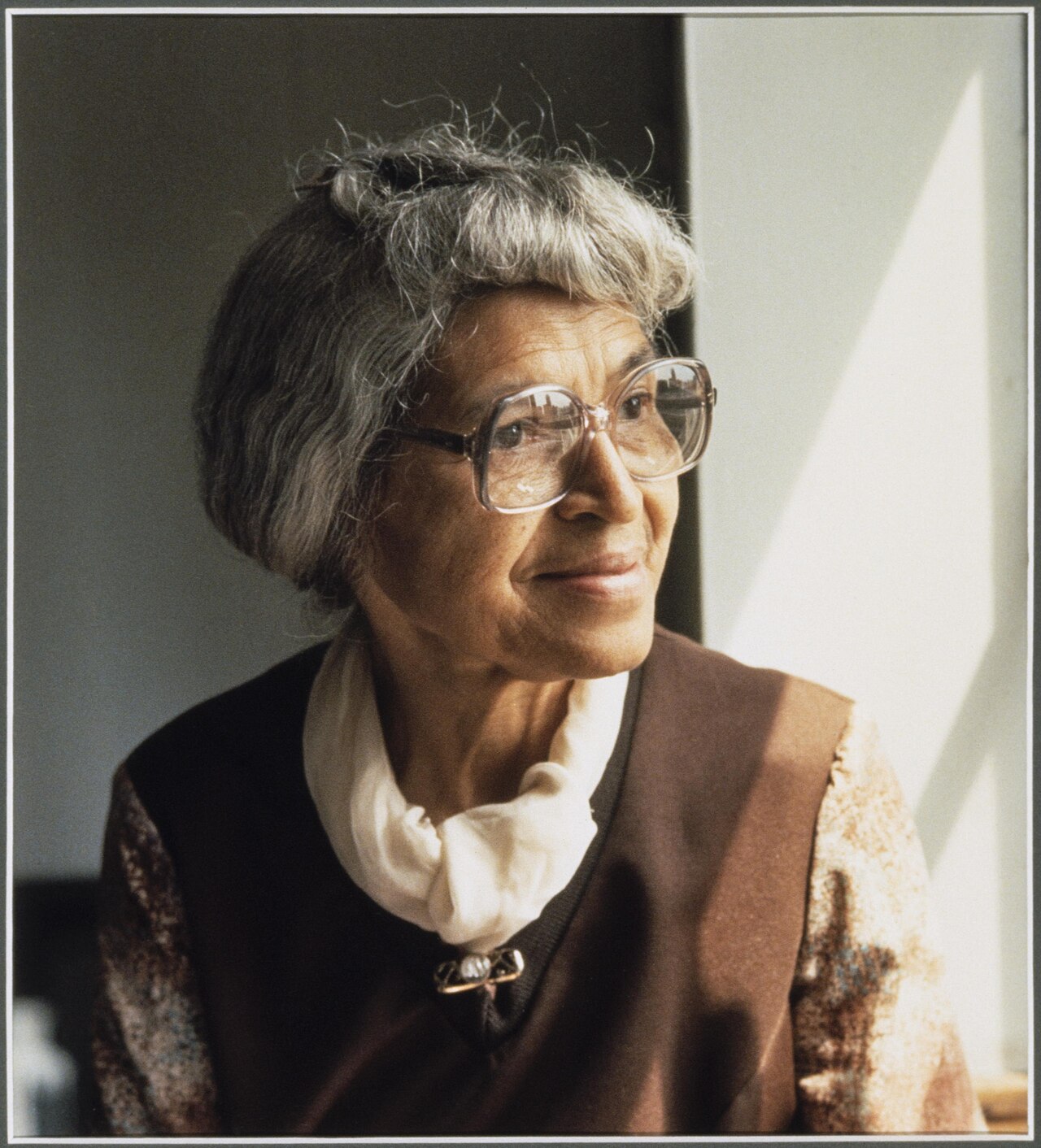
I clearly remember picturing Mrs. Rosa Parks as elderly and fragile, her hair fully grayed, her hands wrinkled… all of it.
Oh, how easily we were fooled.
The Reality: Over and over again, Mrs. Rosa Parks directly rejected the framing that she refused to give up her seat simply because she was physically tired.
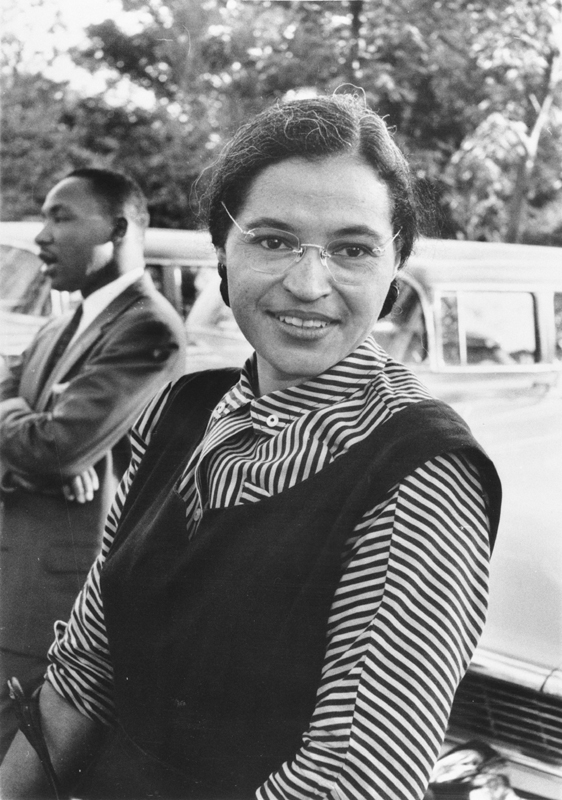
“The only tired I was, was tired of giving in.”
On December 1, 1955—the day Mrs. Rosa Parks refused to give up her seat—she was 42 years old. She had just completed a full workday as a seamstress at the Montgomery Fair department store. She was not physically exhausted from standing all day; she had already spent hours seated at her job.
Her decision was conscious, deliberate, and rooted in years of organizing and resistance. It was not a spontaneous reaction to a single bad day. It was not accidental. It was intentional.
But don’t take it from me. Listen to Mrs. Parks herself describe why she didn’t stand:
Myth #2: This was Mrs. Rosa Parks’ first act of resistance
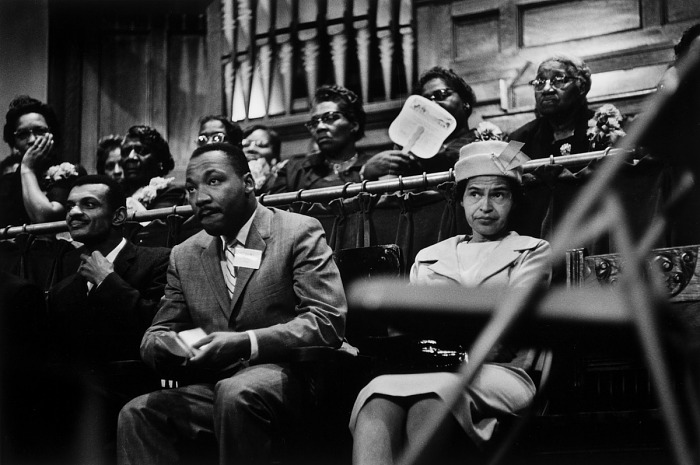
The story we were told implies something else: that Rosa Parks’ resistance began on that bus.
There’s something appealing about the idea that change begins in one extraordinary moment—that resistance is born from a single act. It makes for a compelling narrative.
But an inaccurate one.
The reality: Mrs. Rosa Parks was a seasoned activist, and those deep-rooted values began early. Her grandfather, Sylvester Edwards, was one of the earliest influences on her understanding of dignity and resistance. He had been enslaved as a child and lived through Reconstruction and its violent aftermath. As the son of a Black seamstress and a white plantation owner, he was often described as being “so close to white” in appearance that he could have passed.
He chose not to.
Instead, he embraced his Black identity and fiercely protected his family, often keeping a shotgun nearby and sitting awake at night guarding their home. The values he modeled—dignity, vigilance, pride in identity, and refusal to submit—were instilled in Rosa Parks from an early age.
Then there was Raymond Parks, her husband.
By Mrs. Rosa Parks’ own account, he was “the first real activist I ever met.” Raymond not only encouraged her to return to school after she had dropped out to care for her ill grandmother, but he also supported her work and introduced her to organized, life-risking civil rights activism.
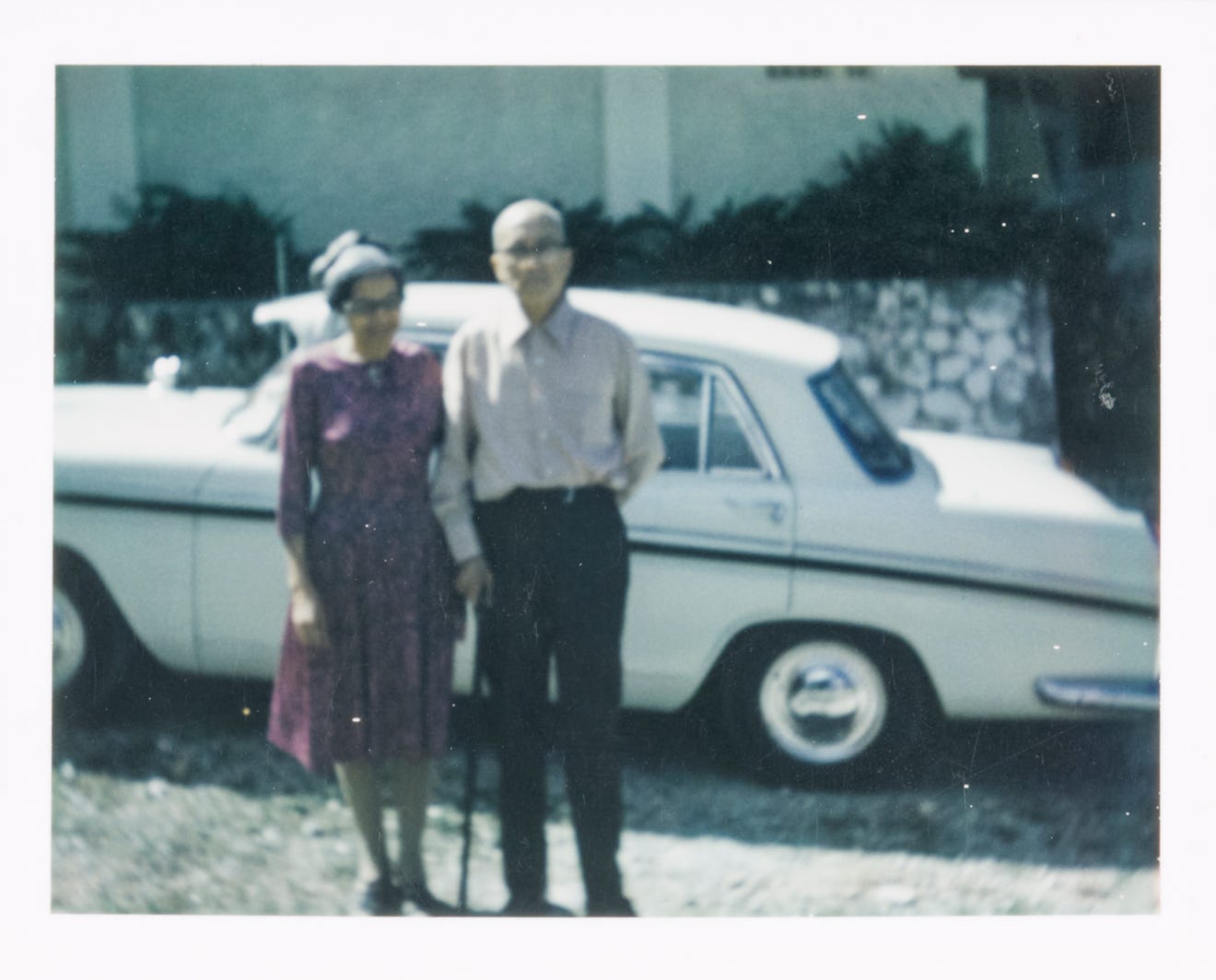
When they met in the early 1930’s, Raymond was already involved in efforts to support the defense of the Scottsboro Boys—nine Black teenagers falsely accused of raping two white women in Alabama in 1931 and quickly sentenced to death. Although the legal defense was led primarily by the International Labor Defense, local Black activists like Raymond worked to raise awareness and funds under significant threat of retaliation.
The work was dangerous. Organizing around the Scottsboro case in Alabama meant facing surveillance, harassment, and the very real possibility of violence.
What does this all mean?
By the time Mrs. Rosa Parks refused to give up her seat on December 1, 1955, she was already a seasoned activist and organizer. She was one of the few women in her local chapter of the NAACP (National Association for the Advancement of Colored People). In 1943, she was elected secretary of the Montgomery chapter, a position she would hold for over a decade.
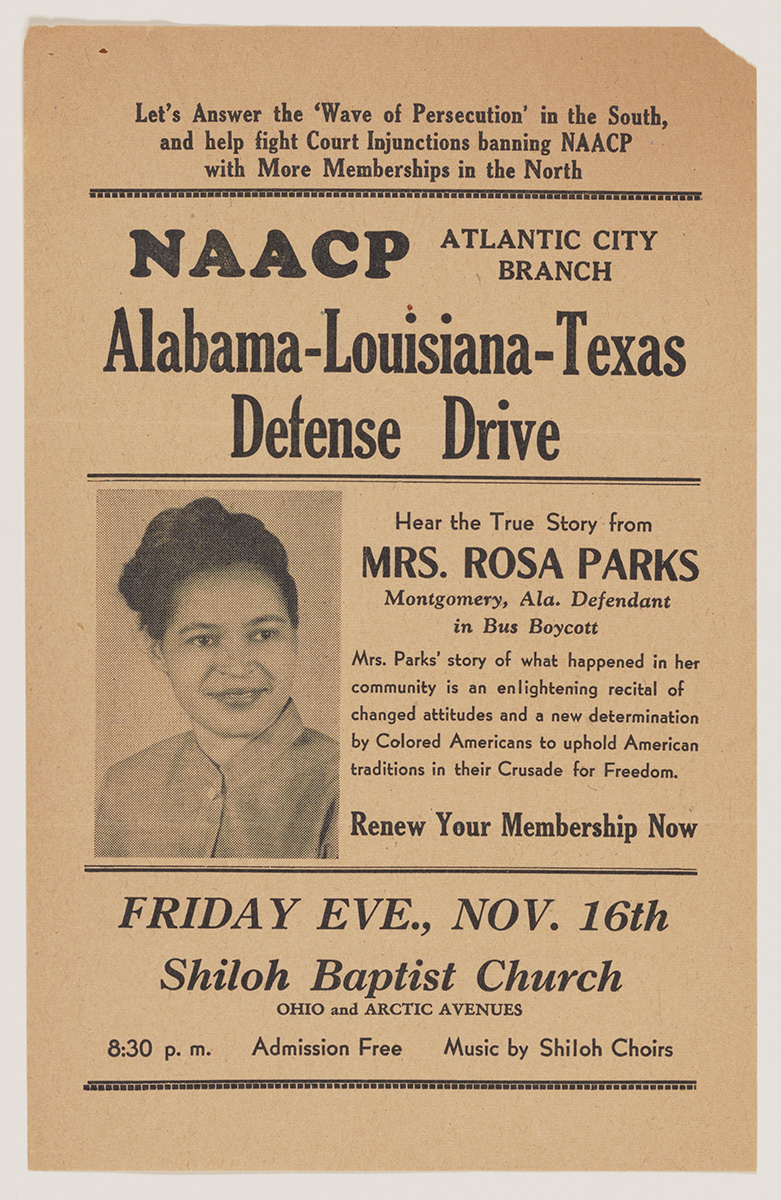
In her role as secretary, she documented cases of racial violence, recorded complaints, investigated incidents, and supported voter registration efforts.
But let’s break that down even further.
She investigated sexual assault cases against Black women, most notably the case of Recy Taylor, who was abducted and gang-raped by six white men in Alabama in 1944. Rosa Parks was sent by the Montgomery NAACP to interview Taylor and document her testimony. She helped organize the Committee for Equal Justice for Mrs. Recy Taylor, which worked to bring national attention to the case through petitions, organizing, and coverage in Black newspapers.
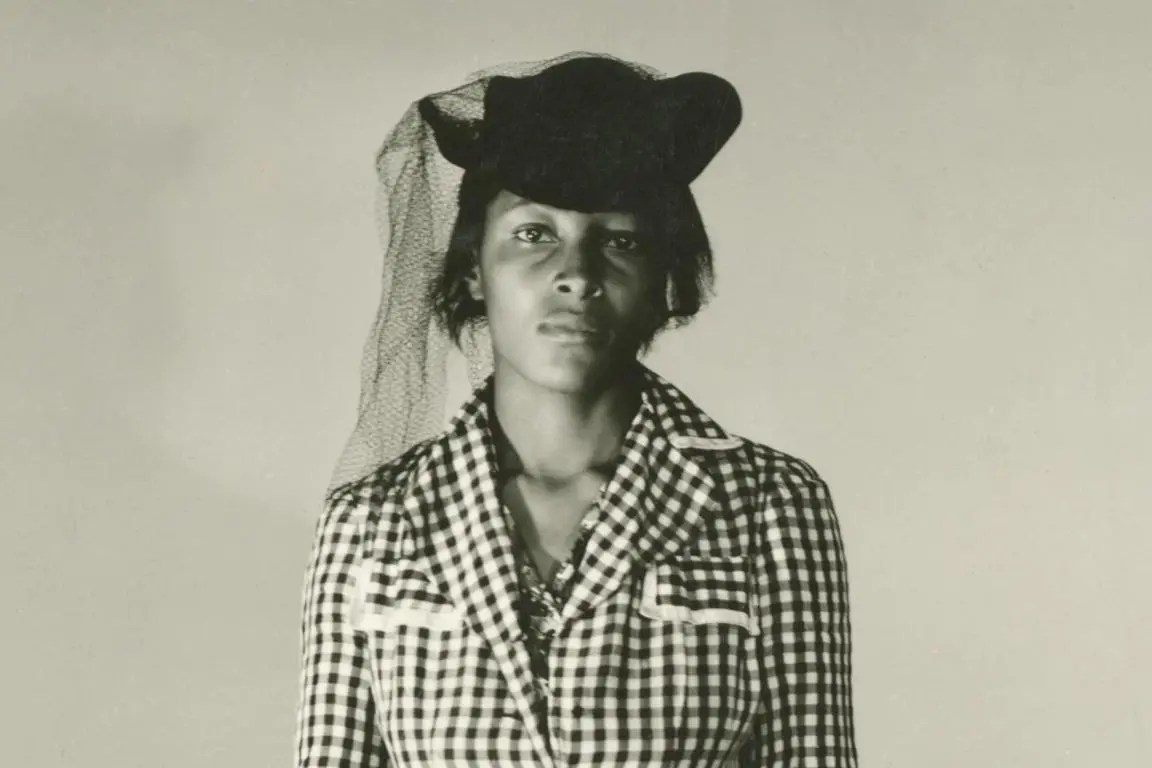
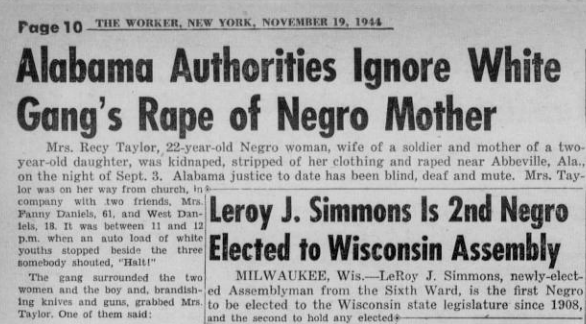
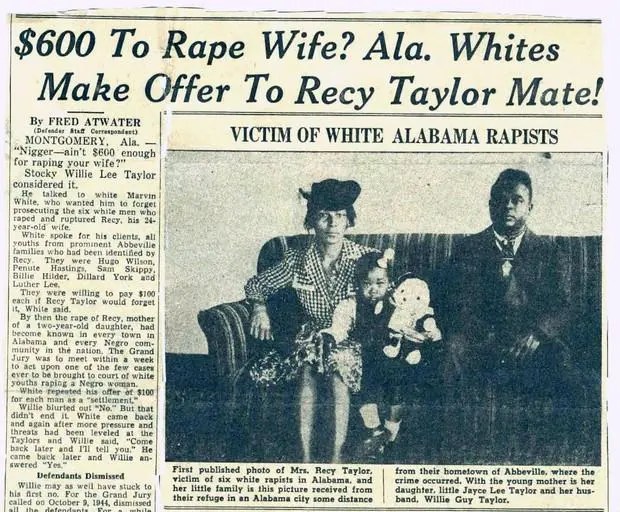
When local authorities refused to pursue justice, organizers ensured that the case remained visible. They mobilized national networks, distributed printed materials, and sustained public pressure so that the violence would not be quietly dismissed.
This work was dangerous. Investigating racial violence in the Jim Crow South meant facing intimidation, hostility, and the real threat of retaliation.
She was a registered voter.
It bears repeating.
Mrs. Rosa Parks was a Black woman who registered to vote in the midst of a coercive system designed to suppress and intimidate Black voters. She attempted to register multiple times before finally succeeding in 1945.
She maneuvered through a system built to keep her from the ballot box: she passed the literacy test, paid the poll tax, and fulfilled every bureaucratic requirement imposed to deter her. And after she registered, she encouraged others to do the same and assisted voter education efforts.
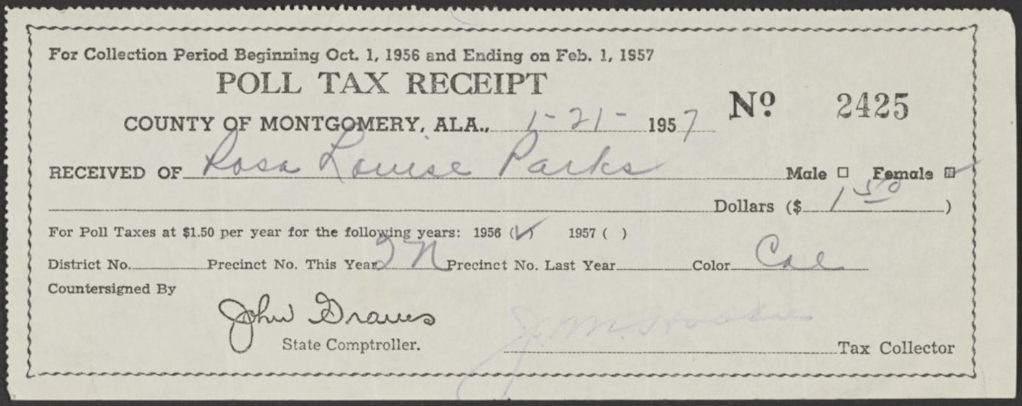
She studied nonviolent protest and actively engaged in discussions about organizing and desegregation strategies. In the summer of 1955, just months before her arrest, Mrs. Rosa Parks attended the Highlander Folk School in Tennessee, a training center known for its role in educating and connecting civil rights organizers.
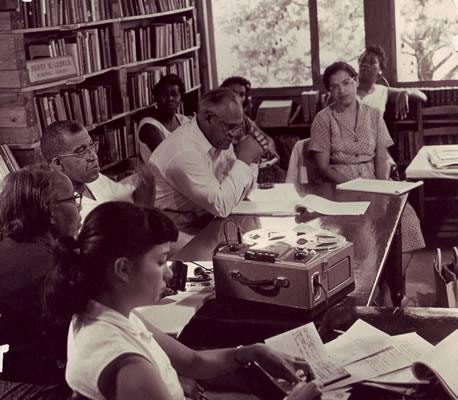
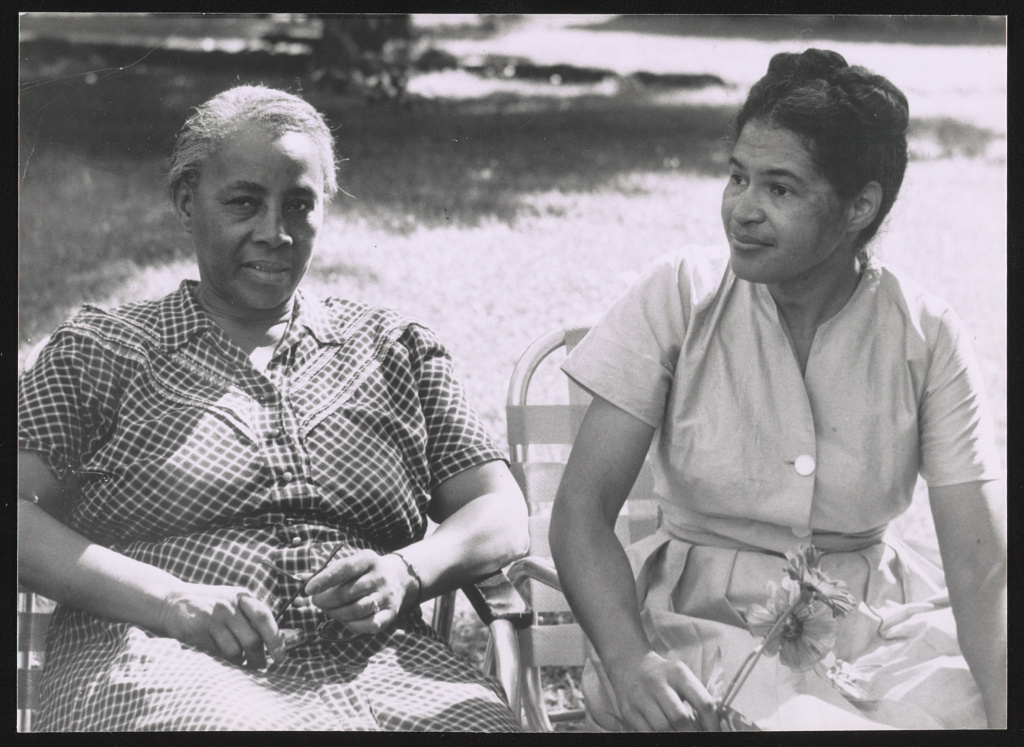
The workshop she attended at the school brought together activists from across the South to strategize about implementing desegregation in their communities following Brown v. Board of Education.
One earlier encounter, often overlooked, reveals just how intentional her later act would be.
In 1943, twelve years before her arrest, Mrs. Rosa Parks had another confrontation involving the same bus driver, James F. Blake. As I unpack this, I should mention that there are some variations in how this encounter is told.
At the time, Black riders followed a front-pay-back-door rule; after paying their fare at the front of the bus, they would exit and re-enter through the rear door. In 1943, Mrs. Parks paid her fare and started walking toward the back of the bus without exiting. As the exchange began, she explained that the back steps and rear of the bus were overcrowded, making it impossible for her to follow the rule.
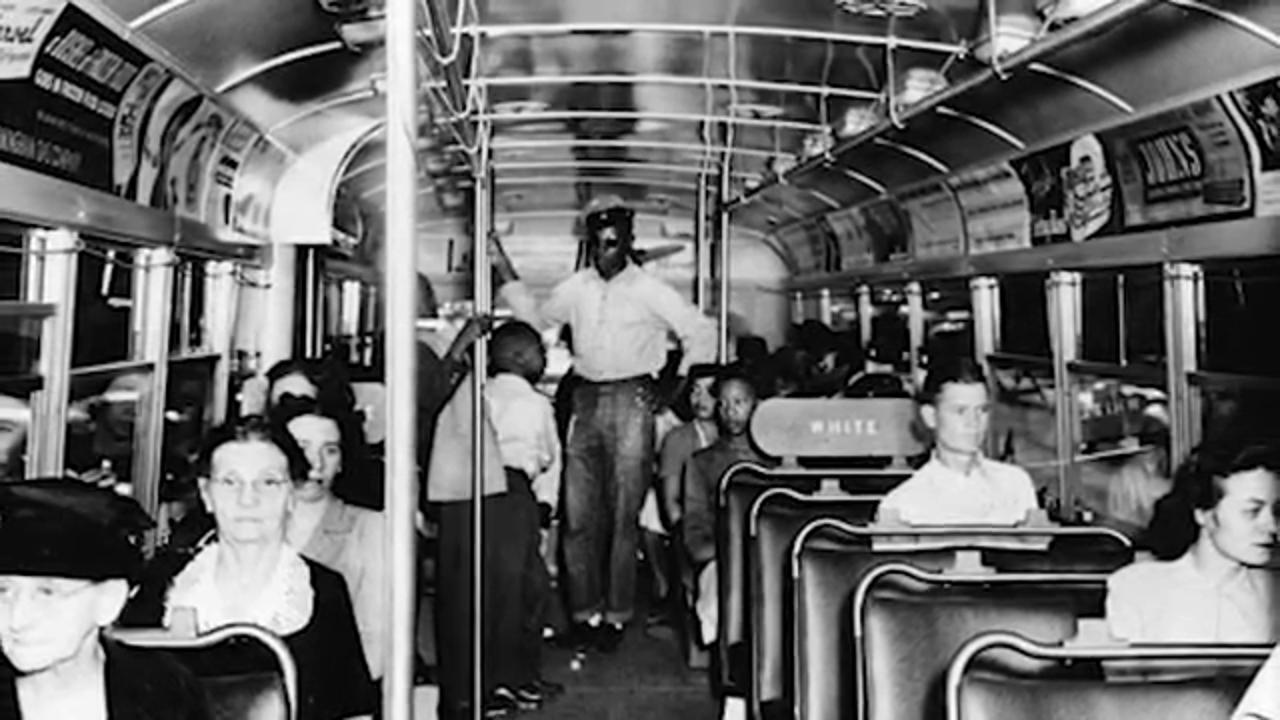
Unsurprisingly, many accounts note how incredibly displeased Blake was. The encounter escalated when Blake went to reach for her, possibly to physically force her off the bus (some accounts say he did reach for her and began pulling her). But as she exited, Mrs. Parks made one clear action of resistance:
She dropped her purse.
It may seem small. It wasn’t. What she did next matters.
She dropped it in the front, or white, section of the bus. And as she bent down to grab it, she ever so briefly sat in a whites-only seat. It was a small, yet powerful and deliberate act of resistance.
Blake’s anger intensified. In her later memoir, Rosa Parks: My Story, Mrs. Parks recalled that the encounter escalated. She remembered Blake moving toward her threateningly as he ordered her to “get off my bus,” while she countered with, “You better not hit me.”
Mrs. Parks got off the bus and didn’t re-board. Blake closed the doors and drove away, taking her fare and leaving her on the street, which she later described as humiliating. For the next dozen years, she avoided riding any bus driven by Blake.
When we examine the fullness of her past, we see a different Mrs. Rosa Parks — not a woman whose resistance began on December 1, 1955, but one whose act on that bus was not the beginning. It was the culmination, and her arrest didn’t create a movement. It activated one.
The Movement Ecology
Movements do not emerge from singular moments. They grow through relationship, preparation, and shared analysis.
The Women’s Political Council (WPC) in Montgomery had long been tracking complaints about bus drivers and begun planning for a boycott before Mrs. Parks’ arrest. Organizers had debated the timing and viability of a boycott. Community leaders were connected through churches, NAACP chapters, and informal networks of communication.
When Mrs. Rosa Parks was arrested, those networks activated. Jo Ann Robinson, president of the WPC, and other organizers worked through the night printing and distributing tens of thousands of leaflets across Black neighborhoods calling for a boycott. Within days, a coordinated carpool system developed. The boycott lasted 381 days, not because of one woman’s refusal, but because of sustained collective infrastructure.
Rosa Parks was not a solitary spark. She was part of an ecosystem prepared to carry the fire.
Myth #3: Mrs. Rosa Parks was the first Black woman to refuse to give up her seat
The simplification of history can help larger audiences feel more familiar with a specific narrative, but it can also make it difficult to course-correct. It can prevent us from fully understanding the depth of an individual, the context they lived in, the barriers they faced, and the true scope of their impact.
Mrs. Rosa Parks is known as the woman who didn’t give up her seat. And because she is known as the woman, we tend to assume she was also the first. Why else would she become the central figure of the Civil Rights Movement?
Let’s explore that.
But first, let me introduce you to Claudette Colvin, age 15, who was arrested nine months earlier in Montgomery, Alabama, for the same act of resistance. She later became one of the key plaintiffs, along with Aurelia Browder, Susie McDonald, and Mary Louise Smith, in Browder v. Gayle, the federal case that legally ended bus segregation in the city.
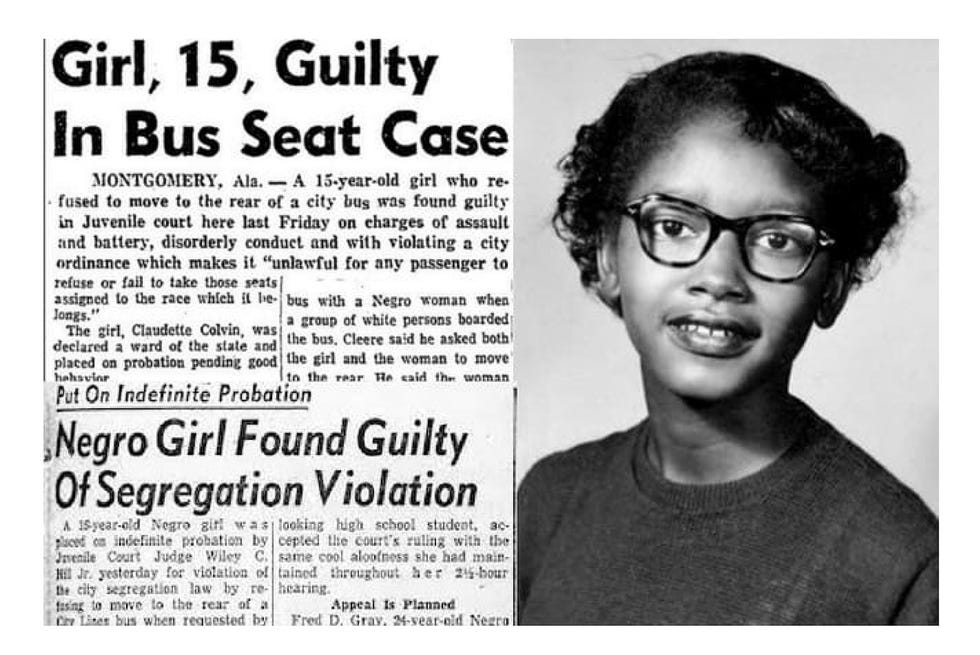
On March 2, 1955, Claudette Colvin refused to give up her seat to a white passenger. Police were called, and she was forcibly removed from the bus. She was arrested and charged not only with violating segregation laws, but also with disturbing the peace, plus assault and battery — the latter of which remained on her record for most of her life. At the time of her arrest, Claudette was already a member of the NAACP Youth Council.
Learn More about Claudette by listening to Radio Diares: Claudette Colvin:
So why didn’t Claudette become “the face” of the boycott?
The movement made a strategic choice about who would become the public face of the boycott and legal challenge. Local leaders, including the Women’s Political Council and NAACP figures, considered Claudette, but ultimately decided on Mrs. Rosa Parks. Claudette was young — just 15 at the time — outspoken, and carried an assault charge on her record. Some worried she would be portrayed as immature or unreliable in the eyes of white courts and media. Although her pregnancy occurred after her arrest, she was unmarried at the time — a fact that leaders feared would be weaponized against her in white courts and newspapers — and it added to concerns that public opinion would spend more time attacking her personally than confronting segregation itself.
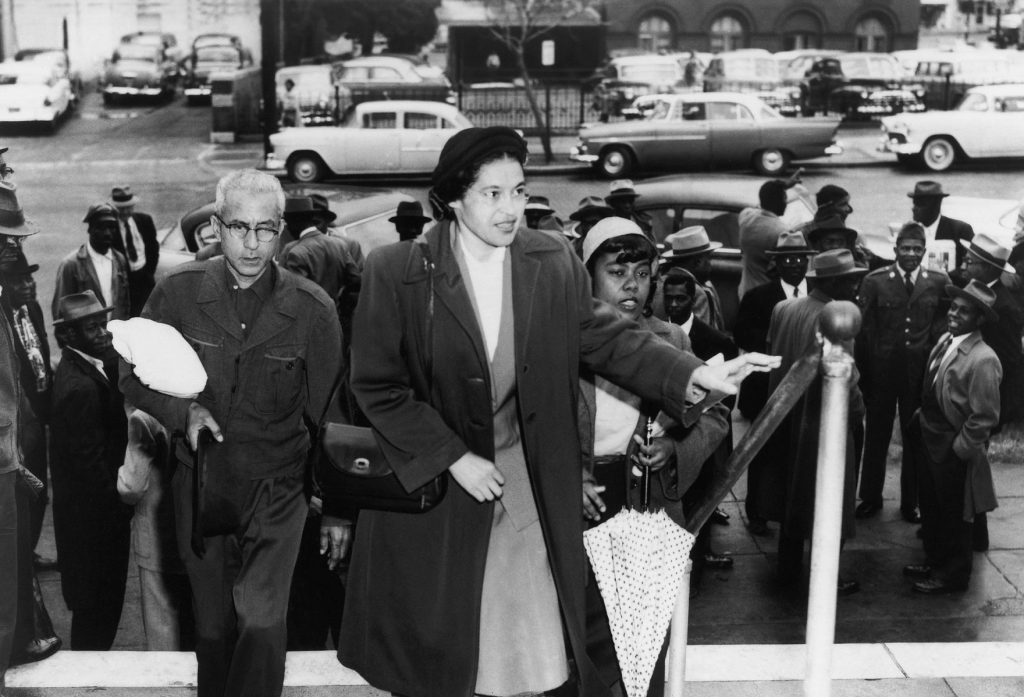
When Mrs. Rosa Parks was arrested, she came with a quieter demeanor. She had a stable job and marriage. She had been active in the NAACP and understood the risk of becoming the public face of the movement. Leaders believed she could stay the course and help rally support strong enough to mobilize the masses. It was a choice shaped by respectability politics.
Respectability Politics: “Respectability politics” refers to the idea that marginalized communities can gain safety, rights, or social acceptance by conforming to dominant cultural norms — especially around behavior, appearance, sexuality, speech, and morality.
A strategy emerged: Claudette Colvin became central to the legal challenge, while Mrs. Rosa Parks became the symbolic public figure of the boycott.
The choice of who became the symbol of the boycott was intentional — and imperfect. It helped protect the sustainability of the movement, but it also left an important figure at the margins of our history. The strategy strengthened the movement, yet it reinforced the idea that certain kinds of Blackness were more defensible than others.
Myth #4: Mrs. Rosa Parks was celebrated after the boycott
We often assume that social change rewards its architects. That once a movement succeeds, the people who carried it forward rise with it.
But memorializing someone is not the same thing as protecting them — or even truly elevating them.
When the boycott ended, Dr. Martin Luther King Jr. rose into national prominence and continued leading major social justice campaigns. He became the central public figure in the Civil Rights Movement.
Mrs. Rosa Parks’ path looked very different.
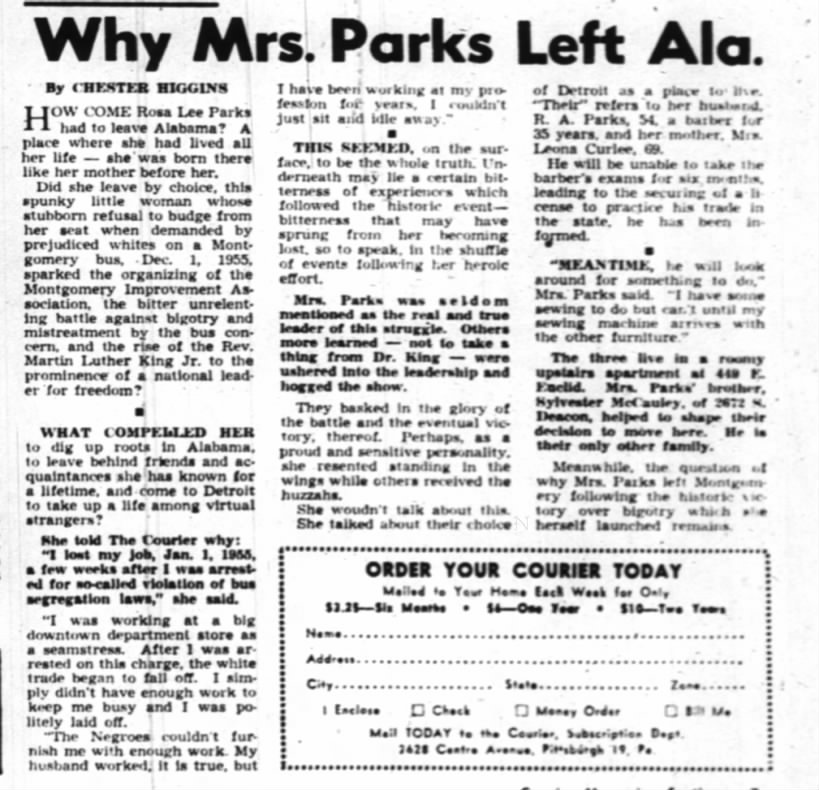
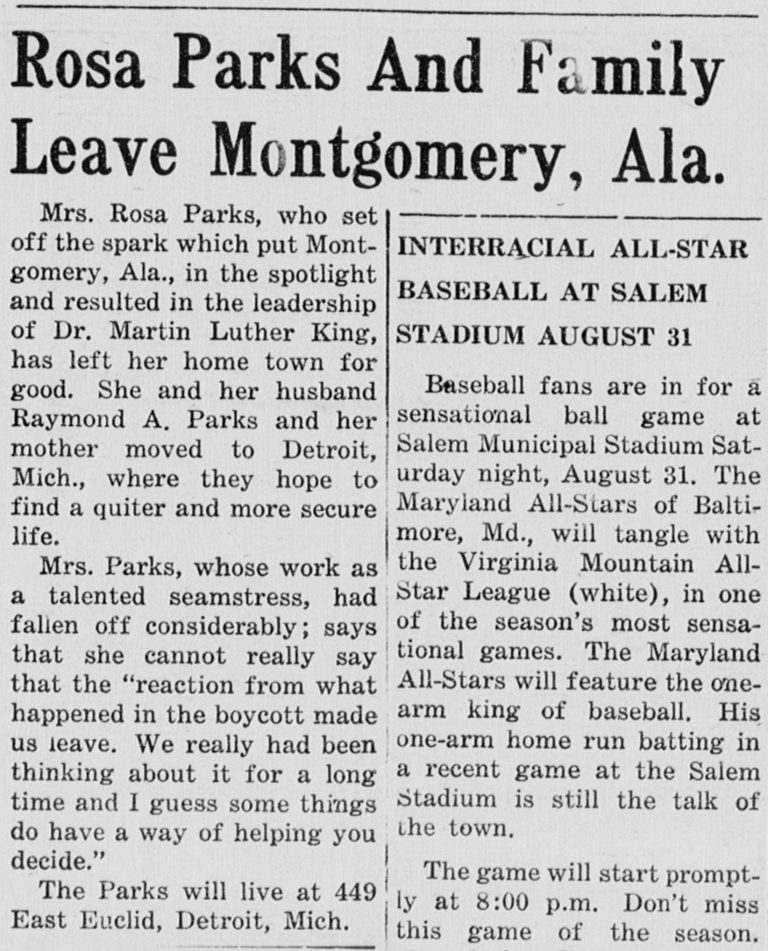
Recognition for Mrs. Rosa Parks came much later. Instead, immediately after the boycott, ended in late 1956, her life became harder, poorer, and more dangerous. She was fired from her job as a seamstress, and Raymond lost his barber job after being told he couldn’t discuss her case at work. Neither could find steady employment, even among the organizations they’d worked so closely with during the boycott. The family continued to receive death threats and harassment. In 1957, facing sustained economic pressure and instability, they left Montgomery and relocated to Detroit. She later described her life in Detroit as the “Northern promised land that wasn’t.”
Mrs. Parks suffered from chronic health issues following the boycott, which compounded the financial strain that persisted for decades. In 1960, the year Jet magazine referred to her as the “bus boycott’s forgotten woman,” she was living quietly in Detroit with little income and fragile health — far removed from the public reverence now attached to her name.
In 1994, at age 81, Mrs. Parks was physically assaulted in her Detroit home — the city she had moved to decades earlier seeking stability. Even late in life, the threat of violence had not fully receded.
Recognition, when it came, arrived decades after the retaliation.
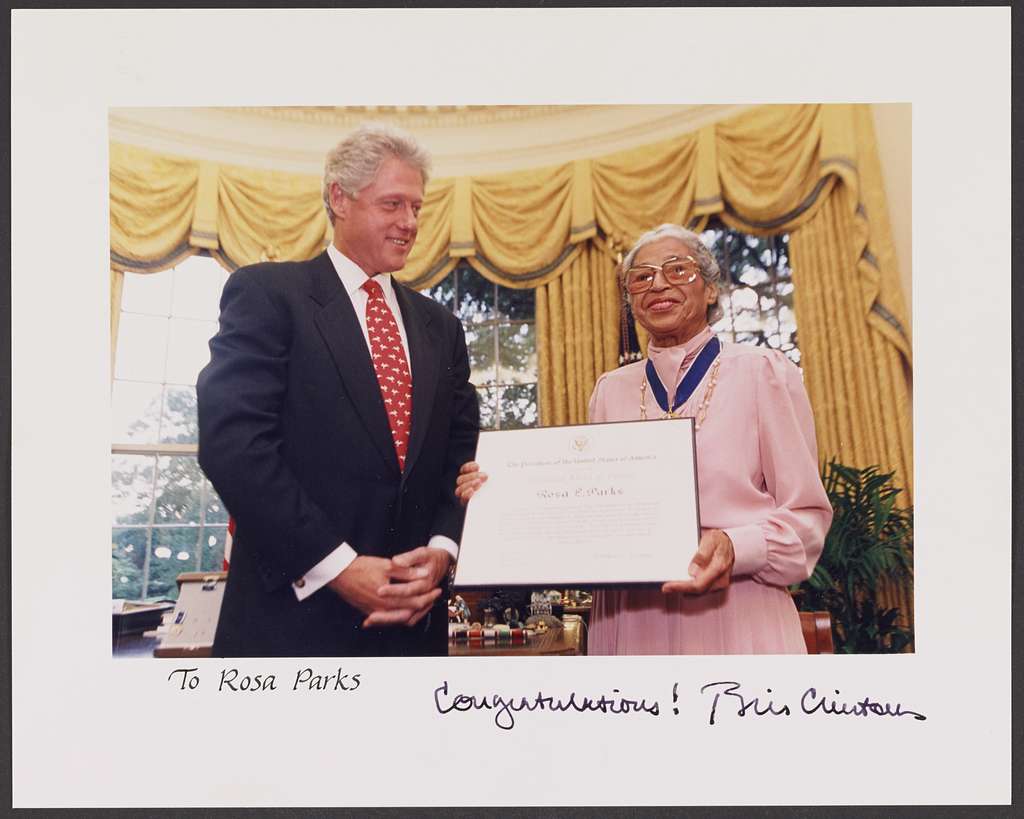
Decades after the boycott, Mrs. Rosa Parks received the Presidential Medal of Freedom in 1996 and the Congressional Gold Medal in 1999 — two of the highest civilian honors in the United States. Schools were named after her. Streets and libraries carried her name. Her image appeared in textbooks, children’s books, murals, and museum exhibits. She became a symbol of dignity and quiet courage.
In 2005, when she passed away, she became the first woman in U.S. history to lie in honor in the U.S. Capitol Rotunda — a rare tribute typically reserved for presidents and national leaders. Thousands lined up to pay their respects.
By the end of her life, she was no longer the “forgotten woman” described by Jet magazine in 1960. She had become a national symbol.
The price of heroism can be significant. As Mrs. Parks’ experience illustrates, the burden does not always fall evenly.
Myth #5: Mrs. Rosa Parks withdrew from activism
The final myth I’m tackling ties closely with the previous one. We like to imagine happy endings as quiet, sunset-lit, reflective, and comfortably resolved. Stories that fade gently into memory.
Let me be clear, Mrs. Rosa Parks was not soft.
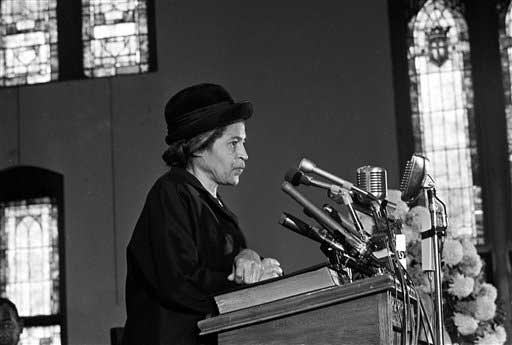
Mrs. Rosa Parks never withdrew from activism. She continued organizing and advocating for the rest of her life.

/https://tf-cmsv2-smithsonianmag-media.s3.amazonaws.com/filer/56/ca/56cad55a-968f-4e84-b006-9bf8019ec8b6/u89254002.jpg)
In 1965, she began working for Congressman John Conyers in Detroit. For more than two decades, she worked in his Detroit office assisting constituents facing housing discrimination, welfare inequities, employment barriers, and police abuse. She continued to speak out about police brutality and racial profiling, housing discrimination and redlining, and broader systems of injustice through sustained community and political work.
She supported the Black Power movement and attended the 1968 Black Power Conference. She expressed admiration for Malcolm X and advocated for political prisoners, including the Wilmington Ten and the Soledad Brothers. She spoke out against the Vietnam War and challenged the ways economic injustice and militarism disproportionately harmed Black communities.
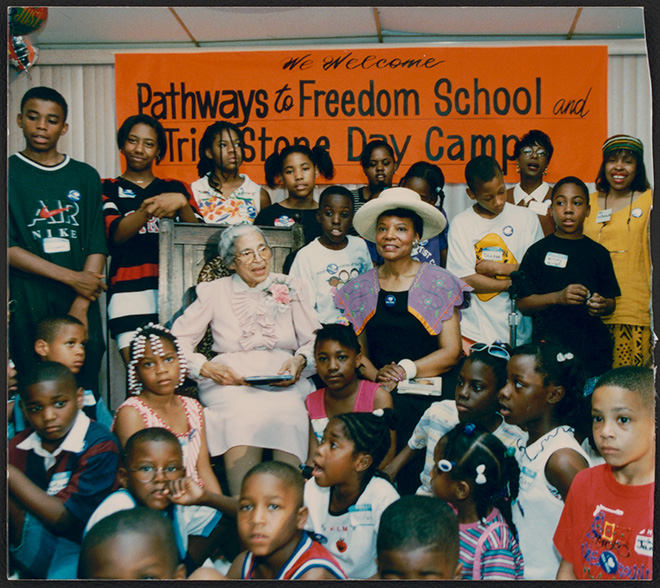
She helped build intergenerational political education, including the establishment of the Rosa and Raymond Parks Institute for Self-Development.
This was not a quiet retirement. It was continued resistance.
What we can learn from Mrs. Rosa Parks
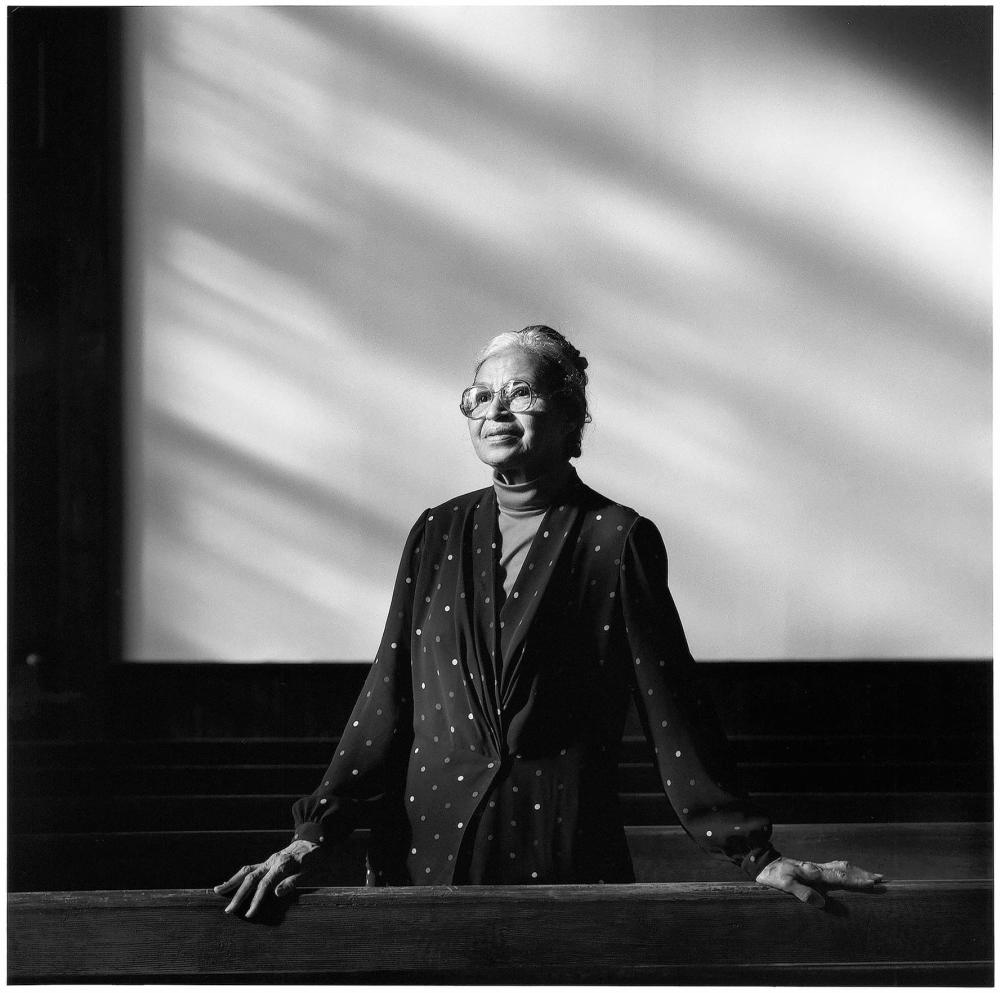
What we each take away from Mrs. Rosa Parks’ legacy can be vastly different. Here are some of mine.
First, we should be cautious of oversimplification. History often compresses complexity into symbols because symbols are easier to teach and celebrate. But simplified stories can erase the years of preparation, organizing, and sacrifice that make those moments possible. When we flatten people into single acts, we misunderstand how change actually happens.
Second, we should honor strategy, not just symbolism. The Montgomery Bus Boycott was not spontaneous. It was organized. It was layered. It required careful decision-making, strategic visibility, legal action, and sustained collective effort. Rosa Parks was not an accident of history. She was prepared. And she was chosen within a broader ecosystem of movement work.
Third, we must apply an intersectional lens and pay attention to gendered silence within movements. Social movements don’t operate outside the broader culture; they are shaped by it, including its patriarchal norms. Women have often advanced change through organizing, strategy, and sustained labor, while public authority and the microphone were more frequently given to men.
Some women were never widely recognized, including Jo Ann Robinson, whose overnight organizing was central to launching the boycott in its first 24 hours. Others, like Mrs. Rosa Parks, became powerful symbols without being positioned as central public voices. When she attended the first mass meeting of the boycott in December 1955, Mrs. Parks received a standing ovation, but she did not address the crowd. It happened again at the 1963 March on Washington for Jobs and Freedom, where she was recognized during a brief tribute to women but was not invited to speak.
These moments held both recognition and limitation — women celebrated, yet not centered.
Finally, we must remember that memorializing people is not the same as protecting them. Recognition often comes long after the threats, the economic retaliation, and the personal cost. If we truly wish to honor Mrs. Rosa Parks, then we should ask ourselves how we are protecting those who stand where she once stood.
The compression of Rosa Parks into a single moment is not unique. We continue to flatten movements into symbols and years of organizing into stories that are easier to teach than to fully understand. When we do this, we erase infrastructure. We overlook labor. We mistake visibility for leadership and spontaneity for strategy.
And when we overlook that labor, we overlook the people carrying it.
Are we protecting and supporting those who carry similar burdens today, while the cost is still unfolding in real time?
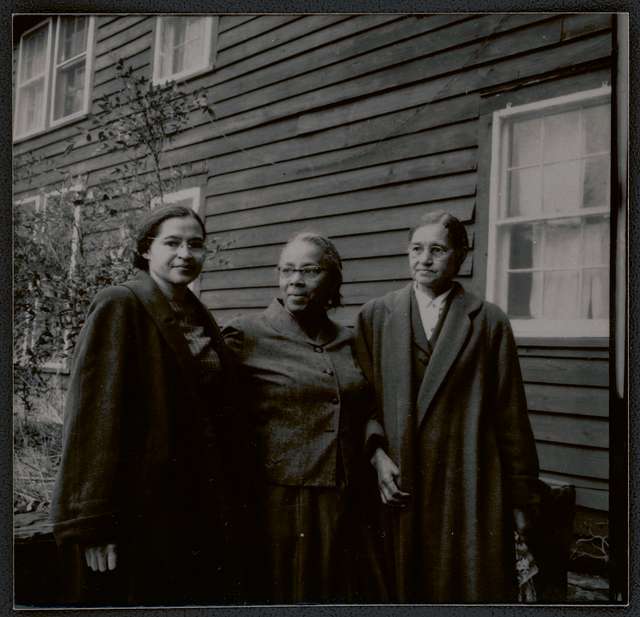
“To bring about change, you must not be afraid to take the first step. We will fail when we fail to try.”
Questions for Reflection
- On the Radical Legacy: “Why is it easier for our culture to celebrate the ‘quiet seamstress’ than to honor the ‘radical militant’ who considered Malcolm X a hero and fought against the Vietnam War? What does our preference for the ‘safe’ version of Parks say about our own readiness for change?”
- On Protection vs. Memorialization: “We have hundreds of schools and streets named after Rosa Parks. But are we actively ‘protecting’ the modern activists who stand where she once stood, particularly against the same economic and physical retaliation she faced?”
- On the Myth of Progress: “Parks described Detroit as ‘the promised land that wasn’t.’ In what ways are we still living in that ‘not-yet-promised land’ in our own cities, and how does her later activism provide a roadmap for navigating current systemic injustices?”
Additional Resources
- Watch the Ted Talk: The real story of Rosa Parks – and why we need to confront myths about Black history | David Ikard (18m)
- Listen to the Discussion: The real story of Rosa Parks | The Marc Steiner Show (47m)
Read the Biography: The Rebellious Life of Mrs. Rosa Parks by Jeanne Theoharis - Read the Autobiography: Rosa Parks My Story by Rosa Parks
- Watch the Documentary: The Rebellious Life of Mrs. Rosa Parks (1h 36m)
- Check out the Rosa Parks Interactive Timeline
Until next time, Azucena.